
Understanding the path from gambling fun to gambling addiction
What Starts as Fun?
Many individuals are drawn to gambling for its thrilling and exciting nature. The promise of winning money, the social atmosphere of casinos, and the rush of adrenaline create an enticing environment that many find enjoyable. Initially, gambling can be a harmless pastime, providing entertainment and a sense of escapism from everyday stressors. However, what begins as casual fun can quickly escalate into a more serious pursuit, particularly when people engage with platforms like Dbbet, which offer a diverse range of gaming options.
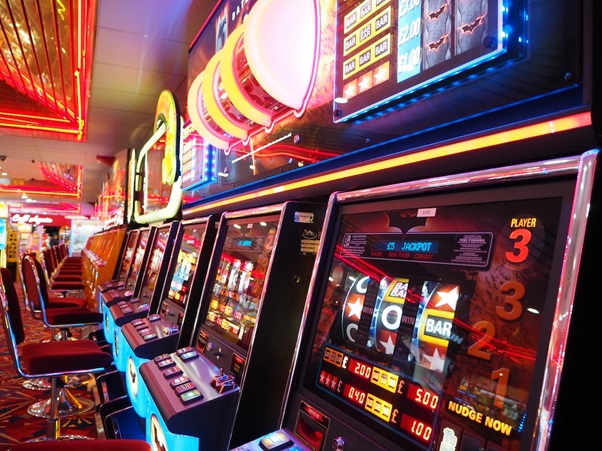
The appeal of gambling often lies in its unpredictable outcomes. Players can experience significant wins that reinforce their behavior, creating a cycle of excitement that keeps them returning for more. This thrill can mask underlying issues, making it difficult for individuals to recognize when their gambling is transitioning from a fun activity into something more harmful.
Recognizing the Signs of Problem Gambling
As gambling progresses, signs of a potential addiction may begin to surface. Individuals might find themselves gambling more frequently or spending more money than they initially intended. Emotional changes such as increased irritability, anxiety, or mood swings can also signal that gambling is becoming a problem.
Another key indicator is the need to chase losses. Players might convince themselves that they can win back lost money by continuing to gamble, often leading to more significant financial issues. Recognizing these warning signs early is crucial in preventing the transition from recreational gambling to addiction.
The Psychological Factors at Play
The path from gambling fun to addiction is often influenced by various psychological factors. Many individuals gamble to escape feelings of loneliness, depression, or anxiety. The temporary relief that gambling provides can create a reliance on it as a coping mechanism, making it challenging to break free from its grasp.
Moreover, cognitive biases, such as the illusion of control and gambler’s fallacy, play a significant role. These biases lead individuals to believe they have a greater influence over outcomes than they actually do, which can further entrench their gambling behavior. Understanding these psychological aspects is vital for recognizing and addressing gambling addiction.
The Role of Environment and Social Influence
Social environments can significantly impact gambling behavior. Those who frequently associate with gamblers may find themselves more susceptible to addiction due to peer influence. The normalization of gambling within certain social circles can diminish the perceived risks and consequences associated with it.
Additionally, the availability of gambling options, such as online platforms and local casinos, increases exposure and temptation. The more accessible gambling is, the more likely individuals are to engage in it regularly, which can ultimately lead to addiction. Awareness of these environmental factors is essential for fostering a responsible gambling culture.

Commitment to Responsible Gaming
Websites that promote responsible gaming, like DBbet, provide resources and tools for players to gamble safely. Emphasizing the importance of self-awareness and setting limits can help maintain gambling as a fun activity rather than a harmful habit. Online platforms often include features such as deposit limits and self-exclusion options to aid players in managing their gambling behavior.
By prioritizing player safety and awareness, these platforms contribute to a healthier gaming experience. Responsible gaming initiatives not only protect players but also foster a community that values transparency and support, helping to ensure that gambling remains an enjoyable pastime for all.