
The thrill of risk and reward
At the heart of gambling lies a profound psychological attraction to risk and reward. Casinos create an environment where players are eager to place bets, driven by the potential for significant financial gain. This thrill stems from the inherent uncertainty of outcomes, which triggers the brain’s reward systems. Many gambling enthusiasts often search for the best no kyc casino as they seek that exhilarating experience. The anticipation of winning, accompanied by adrenaline rushes, creates a powerful motivational force that keeps players returning for more.
Moreover, the concept of “near misses” plays a crucial role in perpetuating gambling behavior. When players experience outcomes that are close to a win—like spinning the slot wheel just one position away from a jackpot—they are often more motivated to keep playing. This psychological phenomenon reinforces their belief that a win is just around the corner, enhancing the allure of continued participation.
The impact of social interaction
Social dynamics also heavily influence casino behavior. Many people view casinos as social venues where they can connect with friends or meet new acquaintances. The communal atmosphere of gambling can fuel excitement and engagement, making the experience more enjoyable. Players often share in the highs and lows of wins and losses, creating a sense of camaraderie that further enhances the appeal of gambling.
In addition to direct social interactions, the presence of others in a casino can lead to increased betting behavior. Observing other players win can ignite feelings of competition and encourage individuals to increase their stakes in hopes of achieving similar success. This social contagion can significantly amplify gambling activity within the casino environment.
The role of environment and design
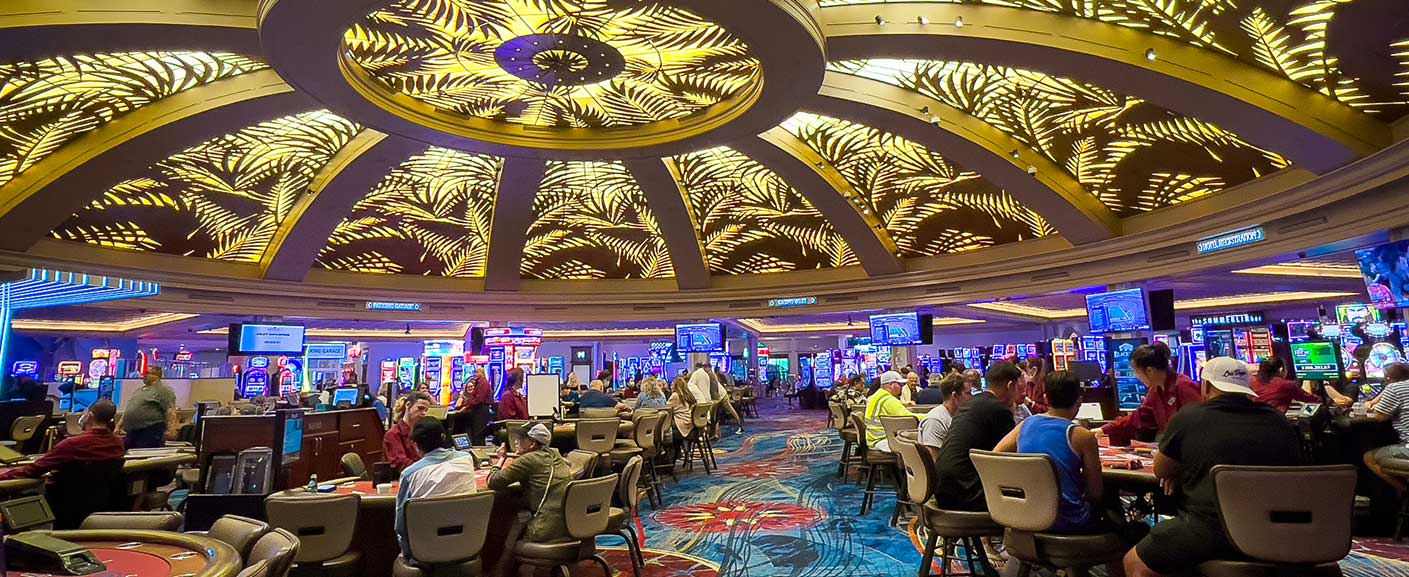
The physical layout and design of casinos are meticulously crafted to influence behavior. Casinos employ specific color schemes, lighting, and sound effects to create an immersive experience that captivates players. The absence of clocks and windows also contributes to a distorted sense of time, leading individuals to lose track of how long they have been gambling.
This carefully controlled environment is designed to keep players engaged for extended periods. The strategic placement of high-stakes games next to lower-cost options entices players to explore different betting levels, further driving the potential for extended gambling sessions. Such meticulous planning is a testament to the psychology of gambling and its power over participant behavior.
Emotional factors in gambling behavior
Emotions play a pivotal role in gambling decisions. Many individuals turn to gambling as an escape from stress, anxiety, or other negative emotions. The hope of a big win serves as a potential remedy to personal or financial problems, creating a compelling temptation to gamble despite potential consequences.
Conversely, positive emotions can also drive gambling behavior. Celebratory occasions often lead people to visit casinos, seeking entertainment and enjoyment. This variation in emotional triggers illustrates the complex relationship between gambling and psychological states, where both negative and positive emotions can fuel the desire to gamble.

Understanding responsible gambling
With the rise of gambling, it is crucial to address the importance of responsible gambling practices. Understanding the psychological influences behind gambling can promote healthier habits and help individuals recognize when their behavior may be veering into harmful territory. Many casinos now offer responsible gambling programs that educate players about risks and provide tools to manage their gambling habits effectively.
Creating a secure environment is essential for promoting responsible gambling. Online platforms can significantly enhance this experience by implementing protective measures and support systems for users. Through education and awareness, players can enjoy the thrill of gambling while minimizing the risks associated with excessive behavior.